The term “G-spot” is often used for a sensitive area people may notice along the front, or anterior, vaginal wall. It can be a useful way to talk about personal experience, but it is not a precise map of one structure that everyone can find at the same depth or with the same touch.
If you are curious about this part of your anatomy, start with a simpler question: what feels comfortable to you? This guide explains what is known, what remains uncertain, and how to explore without treating a particular sensation as a goal you must achieve.
What is the anterior vaginal wall?
The anterior vaginal wall is the side of the vaginal canal facing the urethra and bladder. These structures are close together, so pressure in one area may be noticed in another. That does not mean everyone will feel the same thing, and it does not identify the cause of discomfort or urinary symptoms.
People sometimes use “G-spot” to describe an area of the front vaginal wall that feels especially responsive to them. A systematic review of G-spot research found substantial disagreement about whether this is a distinct anatomical structure and, if so, where it is located. It is more accurate to describe a possible area of sensitivity than to promise a fixed point.
Is there one exact G-spot location or texture?
No single depth, angle, or texture reliably identifies a G-spot for everyone. Descriptions such as “a few inches inside” can sound precise, but bodies vary and the research has not established a universal landmark. Some people notice that the front wall feels different from other areas; others do not find a distinct spot. Neither experience is a sign that something is wrong.
Arousal, comfort, lubrication, pressure, and your overall state can change how touch feels. You do not need to search harder or continue through discomfort to confirm that you have found anything.
How can you explore the area comfortably?
If you choose to explore internal touch, keep the focus on comfort and control rather than a set distance or technique. Give yourself time, use clean hands or a clean device, and use a lubricant that feels suitable for your body and is compatible with the device. Check the instructions for both products instead of assuming every lubricant works with every material.
- Begin gently. Light pressure is enough to learn whether a sensation is comfortable; there is no need to press into a sensitive area.
- Change one thing at a time. Adjust pressure, angle, position, or a device setting so you can tell what feels better or worse.
- Pause whenever you want. Numbness, pain, burning, or a strong urge to urinate is a reason to stop and check how you feel.
- Skip the performance target. You do not have to find a particular texture, use a certain motion, or continue for a fixed number of minutes.
For general pacing and controls, see our first-time rabbit vibrator guide. It covers starting with a manageable setting and changing your approach when something does not feel right.
Why might pressure feel uncomfortable or like urinary urgency?
The front vaginal wall sits near urinary structures, so a change in pressure or position may alter what you notice. Some people describe fullness or an urge to use the bathroom. That sensation alone cannot tell you whether the cause is ordinary pressure, a bladder concern, or something else.
If the feeling is uncomfortable, stop and reduce pressure. Our guide to urinary urgency during intimate play explains how to respond and when recurring symptoms deserve medical advice. If urgency continues outside intimate activity, occurs with leakage, or comes with pain or burning, speak with a healthcare professional.
Does rotation prevent numbness better than vibration?
Rotating and vibrating devices create different kinds of movement. Which one feels comfortable depends on the person, the shape of the contact area, the setting, and how much pressure is used. There is not enough evidence to say that rotation prevents numbness, improves pelvic blood flow, or protects nerves while vibration causes damage.
If a setting feels too intense or leaves you feeling numb, pause or reduce the intensity. Do not use a different motion as a way to push through discomfort. If numbness persists after you stop or keeps returning, seek medical advice rather than assuming a product change will resolve it.
What should you compare when choosing a device?
Look at practical details you can check: overall dimensions, shape, how the controls work, available settings, and cleaning instructions. A device that is easier for you to position and adjust may make exploration more manageable, but no angle or motor type can guarantee comfort or a particular response.
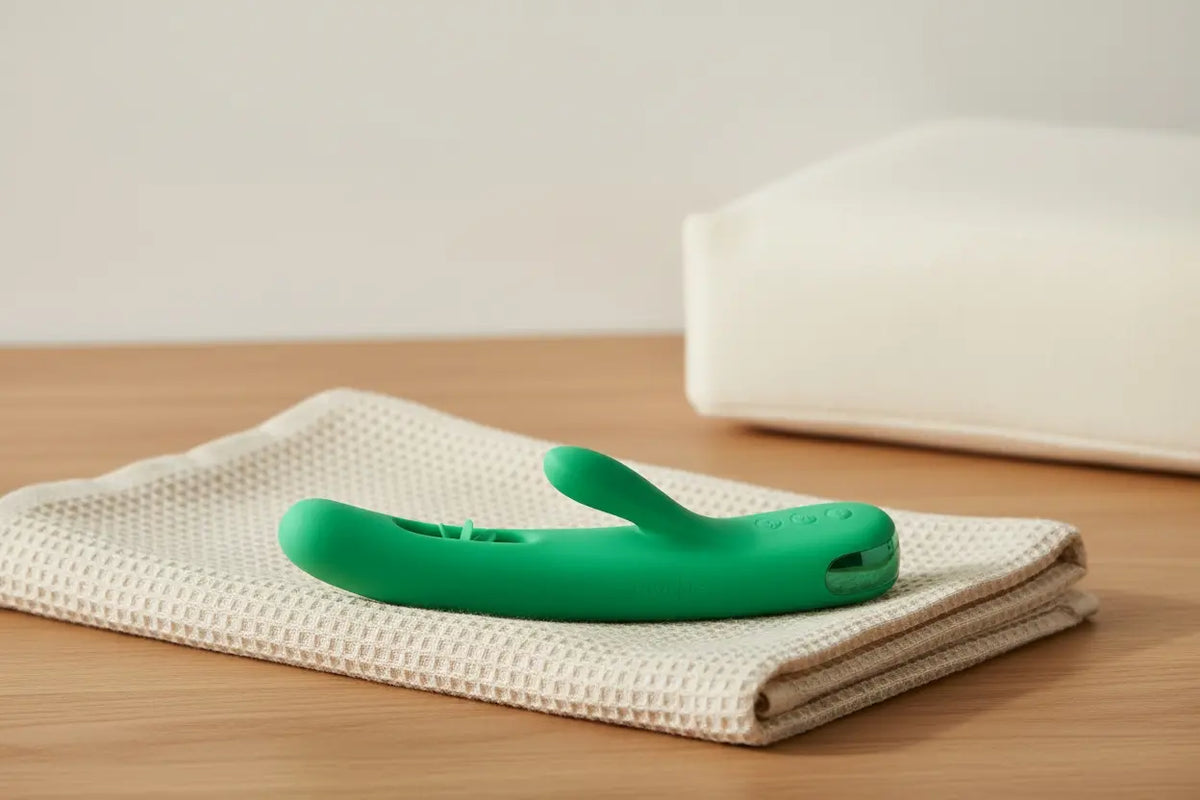
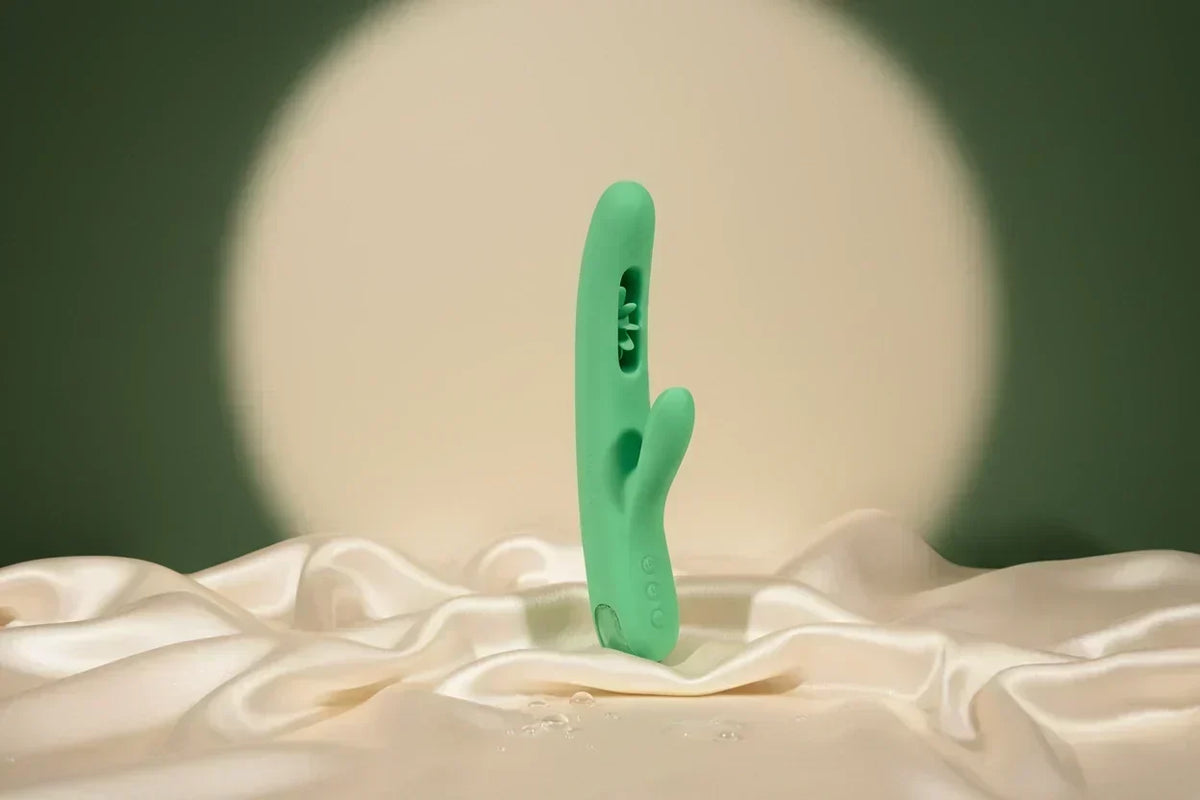
If you are considering VINDANI, its current product page lists dimensions, materials, and control modes. Use those specifications to compare fit and handling. Our rabbit vibrator buying guide offers a broader checklist for comparing shapes, motion, and controls.
Frequently asked questions
Is the G-spot a separate organ?
Current research does not establish one distinct structure that can be identified in the same way for everyone. “G-spot” is a common term for an area of sensitivity some people report along the front vaginal wall.
Am I missing something if I cannot feel a particular spot?
No. There is no required location, texture, or response. What feels pleasant or neutral varies from person to person and can change with context.
Should I use more pressure if I do not feel anything?
No. More pressure is not a test of anatomy and may simply feel uncomfortable. Try a gentler approach, change activities, or stop. You do not need to prove that a spot exists in your body.
When should I ask a healthcare professional?
Seek advice if you have frequent or severe pain, persistent numbness, recurring urinary urgency, or symptoms such as burning or leakage. ACOG advises an evaluation for frequent or severe pain during sex because there can be several possible causes.
Let comfort guide the experience
The front vaginal wall is part of a complex area, not a puzzle with one correct point or motion. Use gentle adjustments, notice your own comfort, and stop when something feels wrong. A product can offer different shapes or settings, but it cannot diagnose symptoms or guarantee a result.
This article is for general education and is not a diagnosis or a substitute for individual medical advice.