Feeling an urge to urinate during internal play can be distracting or worrying. Pressure or a change in position may affect how the area around the bladder feels, but the sensation alone cannot tell you why it is happening. Urinary urgency has several possible causes, including conditions unrelated to a toy or a particular movement.
If the feeling is uncomfortable, pause. This guide offers practical ways to reduce pressure and explains when it is better to seek medical advice instead of trying to push through.
Why might internal pressure feel like urinary urgency?
The vagina, urethra, bladder, and pelvic floor are close together. Because of that proximity, changing where or how you apply pressure may change the sensation you notice. Some people describe it as fullness or an urge to urinate. Others do not experience it at all.
There is no reliable way to identify the cause from the sensation alone. Urgency can also be related to a urinary tract infection, an overactive bladder, inflammation, or other health concerns. If the urge is new, recurring, or present outside intimate activity, it deserves attention rather than an automatic assumption that it is a normal response.
Is it urinary urgency or another sensation?
Fullness, pressure, a need to use the bathroom, and other sensations can feel similar in the moment. The feeling itself cannot tell you whether urine will leak or whether any other fluid will be released. It is also not a reliable way to rule out a bladder or pelvic health concern.
You can pause, use the bathroom if you need to, and notice whether the urge settles after the pressure stops. If it keeps happening, especially outside intimate activity, a healthcare professional can help you work out what is going on. You do not have to decide on a medical explanation while you are trying to get comfortable.
What should you do when the sensation appears?
Start by stopping the movement and checking how you feel. You do not need to keep going to see whether the sensation turns into something else. If you need to use the bathroom, do so. If the feeling passes and you want to continue, make one gentle change at a time:
- Use less pressure. Avoid pressing firmly into an uncomfortable spot.
- Change the angle or position. A small adjustment may feel more comfortable than increasing speed or force.
- Start with a lower setting. Choose a setting you can control easily and stop if discomfort returns.
- Reduce friction when needed. Use a lubricant that is suitable for your body and compatible with the device, following both products' instructions.
Pain, burning, or a strong persistent urge is a reason to stop, not a signal to continue through the feeling. For a broader approach to pacing and comfort, see our first-time rabbit vibrator guide.
Will emptying your bladder beforehand prevent the feeling?
Using the bathroom beforehand may make some people more comfortable. It does not guarantee that you will not feel urgency or experience leakage. The American College of Obstetricians and Gynecologists includes emptying the bladder among practical comfort measures, but it also notes that pain or other symptoms may have causes that need assessment.
If you repeatedly feel a strong urge despite changing pressure or taking a break, do not treat an empty bladder as proof that nothing is wrong. The same applies if you actually leak urine. A healthcare professional can help identify the cause.
Can a different device shape help?
Shape, size, and control placement affect how easy a device is to position and adjust. A design that lets you use light pressure and change settings easily may be more comfortable for you, but no shape or motion should be treated as a way to prevent or treat urinary urgency.
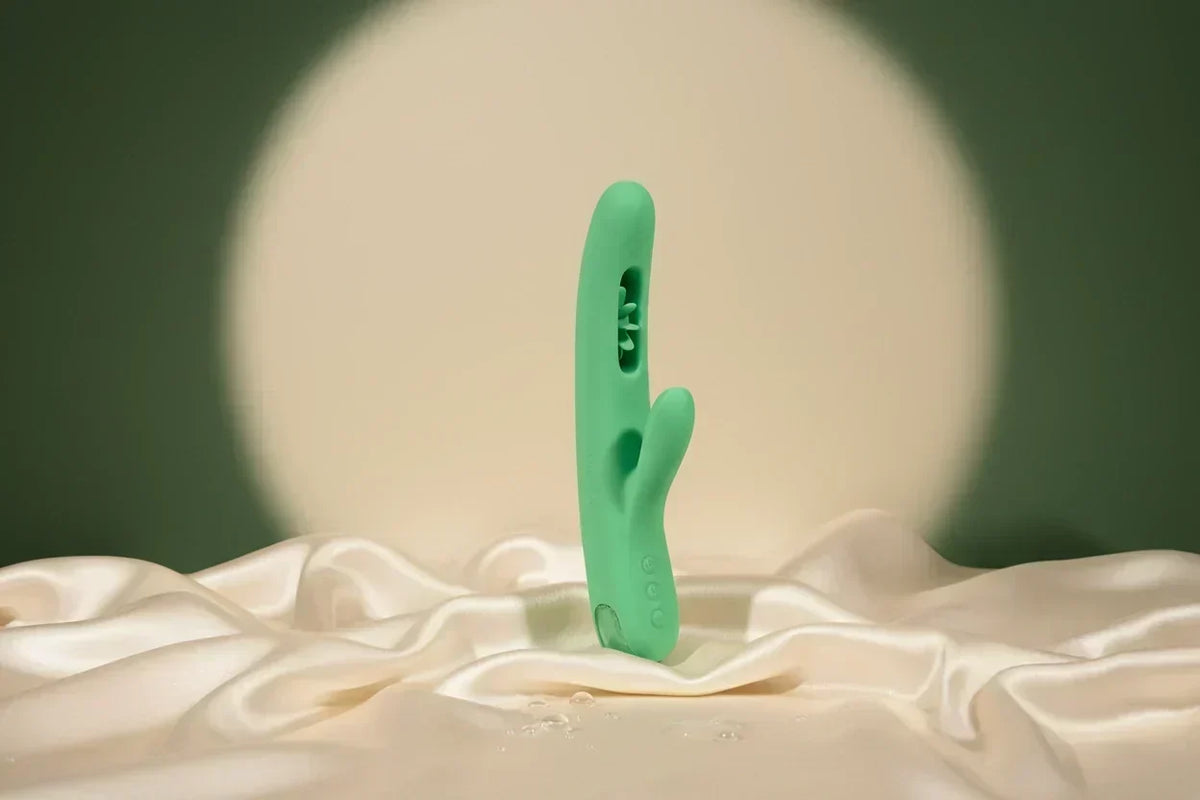
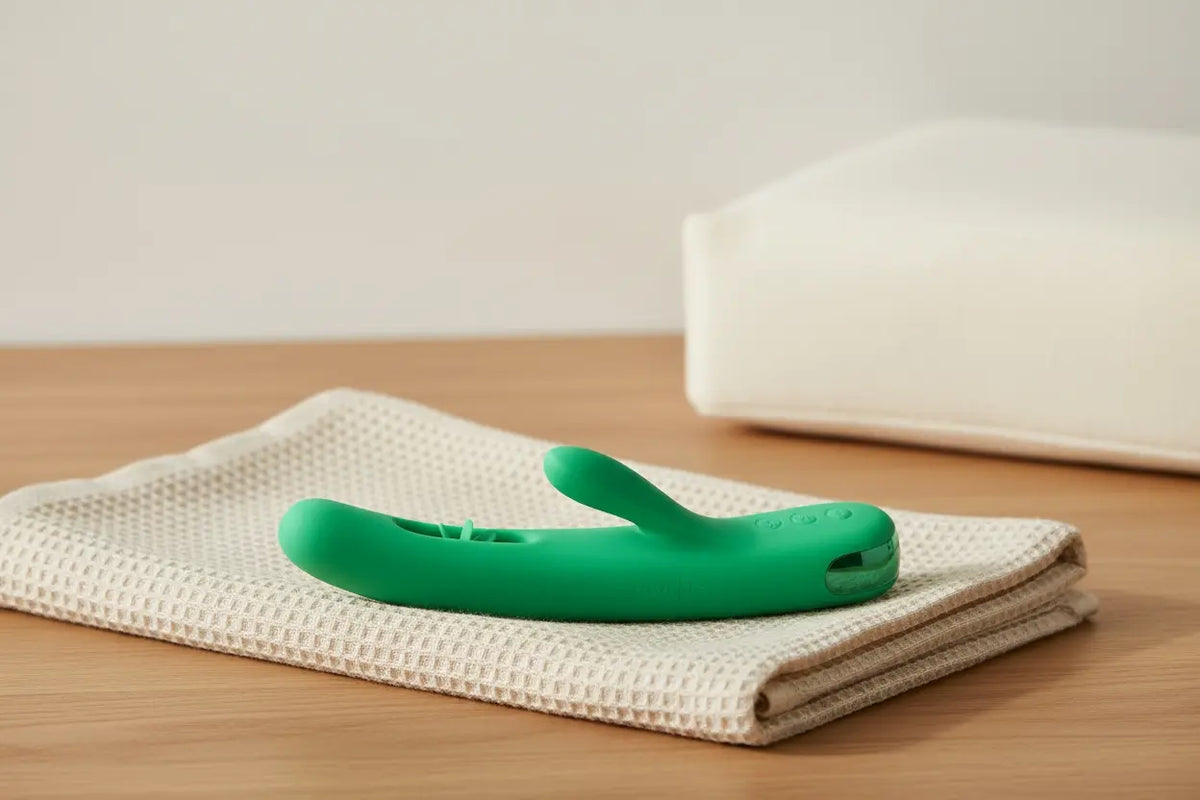
When comparing products, look at the listed dimensions, the shape of the contact area, and whether you can reach the controls without pressing harder. Our rabbit vibrator buying guide offers a wider shape-and-control checklist. If you are considering VINDANI, its product page lists the current dimensions and available settings. Compare those details with your handling preferences rather than expecting a particular shape or motion to change urinary symptoms.
When should you ask a healthcare professional?
Talk to a healthcare professional if urgency happens repeatedly, occurs outside intimate activity, comes with leakage, or is accompanied by pain or burning. Seek prompt medical advice if you also have fever, chills, blood in your urine, or pain in your side or back. These signs can point to a problem that needs a proper diagnosis.
It may help to note when the sensation happens, whether it continues after you stop, and whether you have other urinary symptoms. That information can make a medical conversation more useful. Urgency is a health symptom with multiple possible causes; a product guide cannot determine which one applies to you.
Frequently asked questions
Is an urge to pee during internal play always normal?
No single sensation can confirm that. Pressure or position may affect how you feel, but a recurring, painful, or persistent urge should be discussed with a healthcare professional.
Can I tell whether the feeling means I will leak urine?
No. The sensation alone cannot predict whether leakage will happen. If you are worried, pause and use the bathroom; if leakage occurs or the concern keeps returning, seek medical advice.
Does the feeling mean fluid release is about to happen?
Not necessarily. Fullness or urgency is not a reliable way to tell what will happen next. If you are unsure or uncomfortable, pause rather than trying to push through the feeling.
Should I continue until the urgency goes away?
You do not need to. Stop, reduce pressure, or change activities if the feeling is uncomfortable. Do not push through pain or burning.
Can a rotating vibrator fix urinary urgency?
No vibrator should be presented as a treatment for urinary urgency. Compare products by fit, controls, and your own comfort, and speak with a healthcare professional about ongoing urinary symptoms.
What if pelvic floor tightness or pain is part of the problem?
Recurring tightness or pain can have more than one cause. A clinician can assess it and, when appropriate, discuss options such as pelvic floor physical therapy. Avoid using an intimate device as a substitute for that assessment.
Comfort comes first
A brief change in sensation may settle when you pause or adjust pressure. Repeated or painful urgency deserves more than a change of device. Listen to your body, keep adjustments gentle, and seek qualified advice when symptoms persist.
Medical sources: Cleveland Clinic: Urinary Urgency; ACOG: When Sex Is Painful; ACOG: Your Sexual Health.
This article is for general education and is not a diagnosis or a substitute for individual medical advice.