
Feeling tight or uncomfortable during intimate activity can be frustrating. Pelvic floor tension is one possible explanation, but the sensation alone cannot tell you whether your pelvic floor is “too tight” or what treatment you need. Pain, urinary symptoms, and discomfort can have several causes.
This guide explains what pelvic floor tension means, which signs deserve attention, and how to make comfort the priority while seeking appropriate support. It does not treat an intimate device as a way to diagnose or release a medical condition.
What does the pelvic floor do?
The pelvic floor is a group of muscles that supports pelvic organs and helps with bladder, bowel, and sexual function. Like other muscles, it needs to coordinate contraction and relaxation. When the muscles stay contracted or have difficulty relaxing, clinicians may describe the condition as a hypertonic pelvic floor.
Cleveland Clinic explains that hypertonicity may be associated with pelvic pain, urinary or bowel difficulties, and pain during sexual activity. Those symptoms do not prove that hypertonicity is the cause in any individual person. A healthcare professional can evaluate what is happening.
Can pelvic tension affect intimacy comfort?
It can. If pelvic muscles are having difficulty relaxing, certain activities may feel uncomfortable. But dryness, irritation, infections, hormonal changes, other pain conditions, and a device that does not suit your preferences can also contribute. It is easy to mistake a symptom for a single cause when several factors may be involved.
The American College of Obstetricians and Gynecologists (ACOG) recommends seeing a healthcare professional for frequent or severe pain during sex. An evaluation can help identify the cause and guide treatment. You do not need to keep trying different devices to work out a diagnosis on your own.
What should you do if an activity feels tight or painful?
Stop the activity that hurts. Give yourself time to notice whether the discomfort settles when pressure stops. If you want to continue later, choose an activity that feels comfortable rather than pushing through pain. A slower pace, less pressure, or a different position may help some people feel more at ease, but none of these adjustments is a treatment for pelvic floor dysfunction.
Lubricant may help reduce friction when dryness is part of the discomfort. Choose one that suits your body and is compatible with any device you use, following both products’ instructions. Do not assume that one formula, amount, or technique is right for everyone.
If pressure also brings on an urge to urinate, see our guide to urinary urgency during intimate play. A recurring urge, leakage, burning, or pain deserves medical attention rather than an assumption that muscle tension is the only explanation.
What support can a clinician or pelvic floor therapist provide?
A clinician may ask when your symptoms started, what makes them better or worse, and whether you also have urinary or bowel symptoms. Depending on your situation, they may recommend an examination or referral to a pelvic floor physical therapist. The right plan depends on the actual cause and your comfort with assessment and treatment.
For a diagnosed hypertonic pelvic floor, Cleveland Clinic describes pelvic floor physical therapy as a main treatment approach. A therapist may use education, relaxation training, biofeedback, stretching, or other techniques chosen for the person being treated. A systematic review found that pelvic floor physical therapy may be beneficial, while also noting that better-quality studies are needed. This evidence concerns professional therapy; it does not establish that a consumer device treats pelvic floor tension.
Should you do Kegels or “reverse Kegels”?
There is no universal exercise plan for pelvic discomfort. Exercises that involve contracting the pelvic floor may not suit someone who already struggles to relax those muscles, while another person may need a different approach entirely. “Reverse Kegel” instructions can also be misunderstood as a need to push or strain.
If symptoms are persistent, ask a qualified clinician or pelvic floor physical therapist what kind of movement or relaxation practice is appropriate for you. Gentle breathing or other calming activities can be part of a comfortable routine, but they should not replace an assessment when pain or urinary problems continue.
Can a rotating device relax or treat a tight pelvic floor?
There is no reliable evidence that a particular consumer vibrator shape or rotating motion treats hypertonic pelvic floor muscles, improves pelvic circulation, or releases fascia. Professional pelvic floor therapy and personal use of an intimate device are different things. One should not be presented as a substitute for the other.
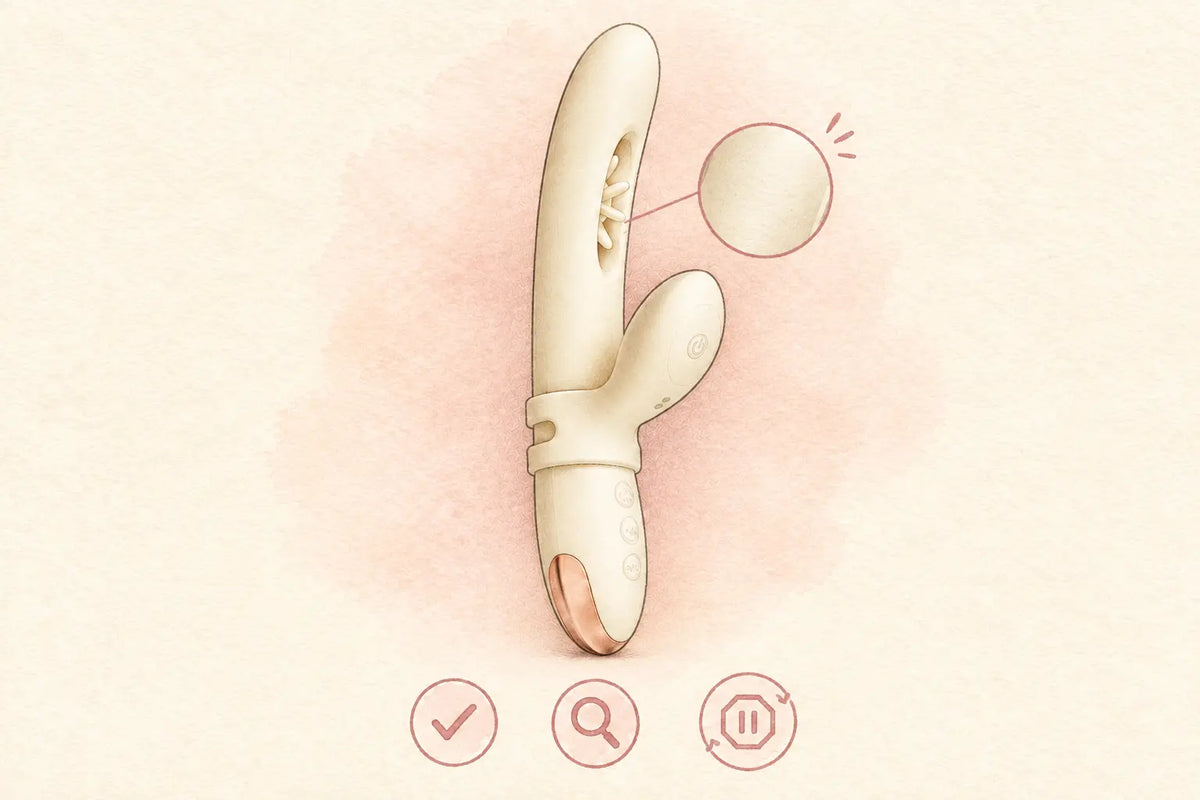
If you are comparing devices for general personal use, look at current dimensions, controls, and care instructions, and choose based on what you can handle comfortably. VINDANI’s product page lists those specifications. Do not use a device to push through pain or as a way to test whether you have a pelvic health condition.
When should you seek professional advice?
Contact a healthcare professional if pain is frequent, severe, or keeps returning; if you have trouble urinating or passing stool; or if intimacy discomfort affects daily life. If symptoms come with burning, bleeding, or new urinary problems, do not assume they are just muscle tension. A professional can consider other possible causes and help you decide what to do next.
Frequently asked questions
Does tightness mean I have a hypertonic pelvic floor?
Not necessarily. Tightness or pain can have several causes, and the feeling alone is not a diagnosis. A clinician can assess your symptoms and advise whether pelvic floor physical therapy is relevant.
Should I keep using a device until the muscles relax?
No. Stop if an activity is painful or uncomfortable. Continuing through pain is not a treatment plan.
Are Kegels always helpful for pelvic discomfort?
No single exercise fits everyone. The right approach depends on why the discomfort is happening. Ask a qualified professional for guidance if symptoms persist.
Is a warm bath or breathing exercise enough to treat the problem?
Those activities may feel calming to some people, but they cannot identify or treat every cause of pelvic pain. Seek an assessment for ongoing or significant symptoms.
Comfort and care come first
You do not have to decide whether pelvic floor tension is the cause of discomfort on your own. Pause when something hurts, choose activities that feel manageable, and seek professional support when symptoms persist. A product may offer different settings and shapes, but medical symptoms deserve medical attention.
This article is for general education and is not a diagnosis or a substitute for individual medical advice.