If you are comparing a spinning vibrator vs. vibration, the real question is not which one sounds more powerful. It is how each type of motion changes the way contact feels.
Vibration and spinning can both create stimulation, but they do it in different ways. Vibration tends to focus on frequency, strength, and pattern. Spinning or rotating motion adds a sense of direction. Instead of only changing how intense the sensation feels, it can change where the contact moves and how the rhythm develops over time.
That difference matters because a stronger setting is not always the same as a more satisfying sensation. Some people prefer a clear, steady buzz. Others are more curious about movement, pressure changes, or a feeling that is less static. This guide breaks down the difference in practical terms, without treating one option as automatically better than the other.
What Vibration Usually Feels Like
Vibration is familiar to many people because it is direct and easy to adjust. A motor creates rapid movement, which may feel buzzy, pulsing, rumbly, or steady depending on the product and setting.
One advantage of vibration is control. You can often increase or lower the level, switch a pattern, pause, or restart without needing to understand a more complex motion system. That makes vibration a simple starting point for people who already know whether they prefer a softer, deeper, faster, or steadier sensation.
Vibration may be a good fit if you want:
- A familiar type of stimulation
- Clear speed or intensity settings
- A simple way to compare one level with another
- A sensation that does not require much learning time
The possible limitation is that vibration can feel repetitive for some users. If a higher setting still feels too similar to the lower one, the missing piece may not be more power. It may be a different kind of movement.
What Spinning or Rotating Motion Adds
Spinning or rotating motion changes the path of contact. Instead of relying only on a fast buzz through the body of the toy, a moving contact point can create a more directional rhythm.
That may feel more circular, sweeping, wave-like, or rhythmic. The exact feeling depends on the product design, the setting, and personal preference, so it is more useful to think of spinning as a different motion category rather than a promise of stronger sensation.
Rotating motion may make sense if you are curious about:
- Movement instead of only intensity
- A sensation that changes direction
- A less static contact pattern
- A product that feels different from standard vibration
This is where many product descriptions can become confusing. Words like powerful, intense, or revolutionary do not always tell you how the sensation actually changes. A lower-intensity setting with movement may feel more interesting to some people than a stronger setting that stays in one place.
For a deeper look at how rotating toy designs work, read our guide to Spinning Sex Toys Explained.
Spinning vs. Vibration: Key Differences
| Factor | Vibration | Spinning / Rotating Motion |
|---|---|---|
| Main sensation | Frequency, strength, and pattern | Direction, movement, and contact path |
| Common feel | Buzzing, pulsing, rumbling | Rhythmic, sweeping, rotating |
| Control style | Adjusting speed or pattern | Exploring motion, rhythm, and pressure changes |
| May suit users who | Prefer familiar intensity | Want a less static feeling |
| Learning curve | Often simple | May feel different at first |
| Product example | Standard vibrating toys | Windmill™ style spinning toys |
A practical way to compare them is this: vibration changes the strength and pattern of the sensation, while spinning changes the movement of the contact.
How Should You Compare Them?
Start with what you are trying to compare.
If you want a sensation that is easy to understand and adjust, vibration may already be enough. If ordinary vibration feels too still or too repetitive, rotating motion may be worth exploring. If you want both types of feedback, a combination design can give you more flexibility.
It can help to avoid asking, "Which one is stronger?" A more useful question is, "Do I want more intensity, or do I want the sensation to move differently?"
That question keeps the comparison more realistic. Some users may prefer the simplicity of vibration. Others may enjoy a contact pattern that feels more directional. Neither response is wrong.
How to Choose Based on Sensation
Choose vibration if your main priority is familiar intensity. It is usually easier to understand quickly, and it gives you a clear way to adjust the level or pattern.
Consider spinning or rotating motion if you want something that feels less fixed in one place. The appeal is not only strength. It is the way movement can change the rhythm of contact.
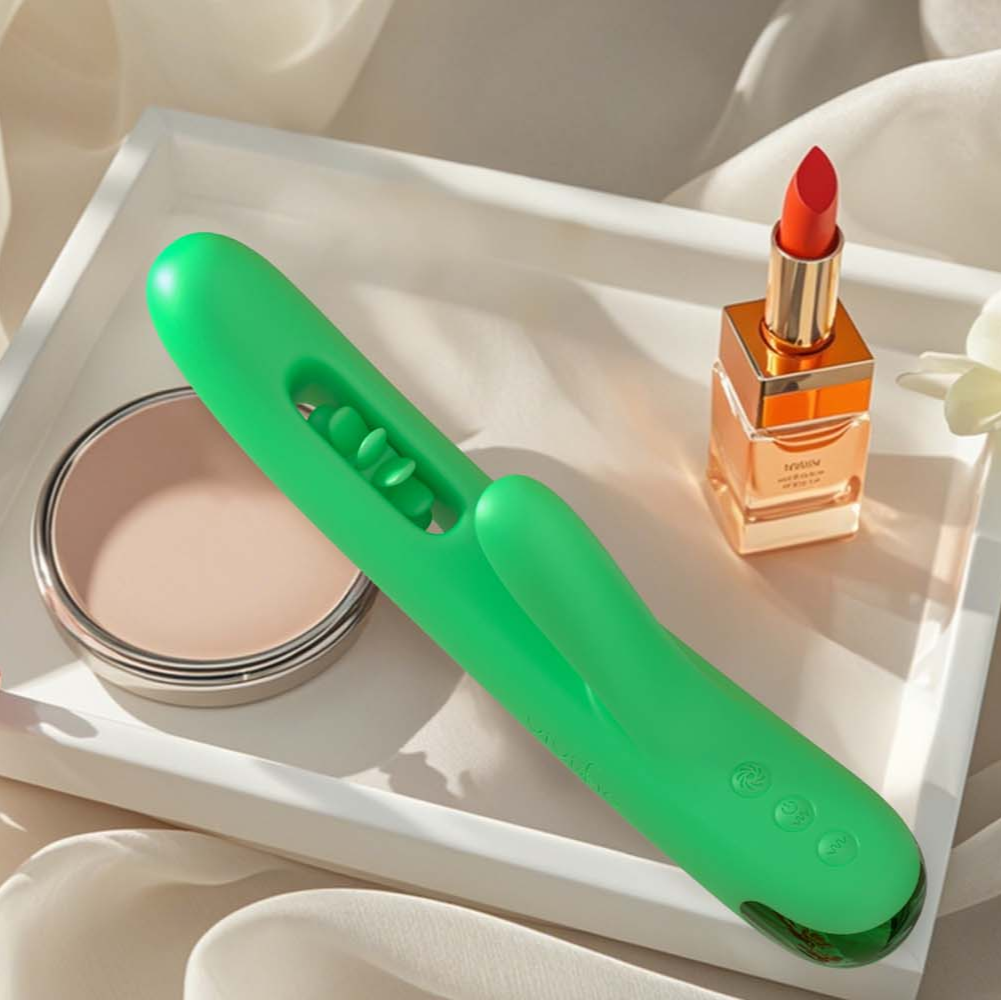
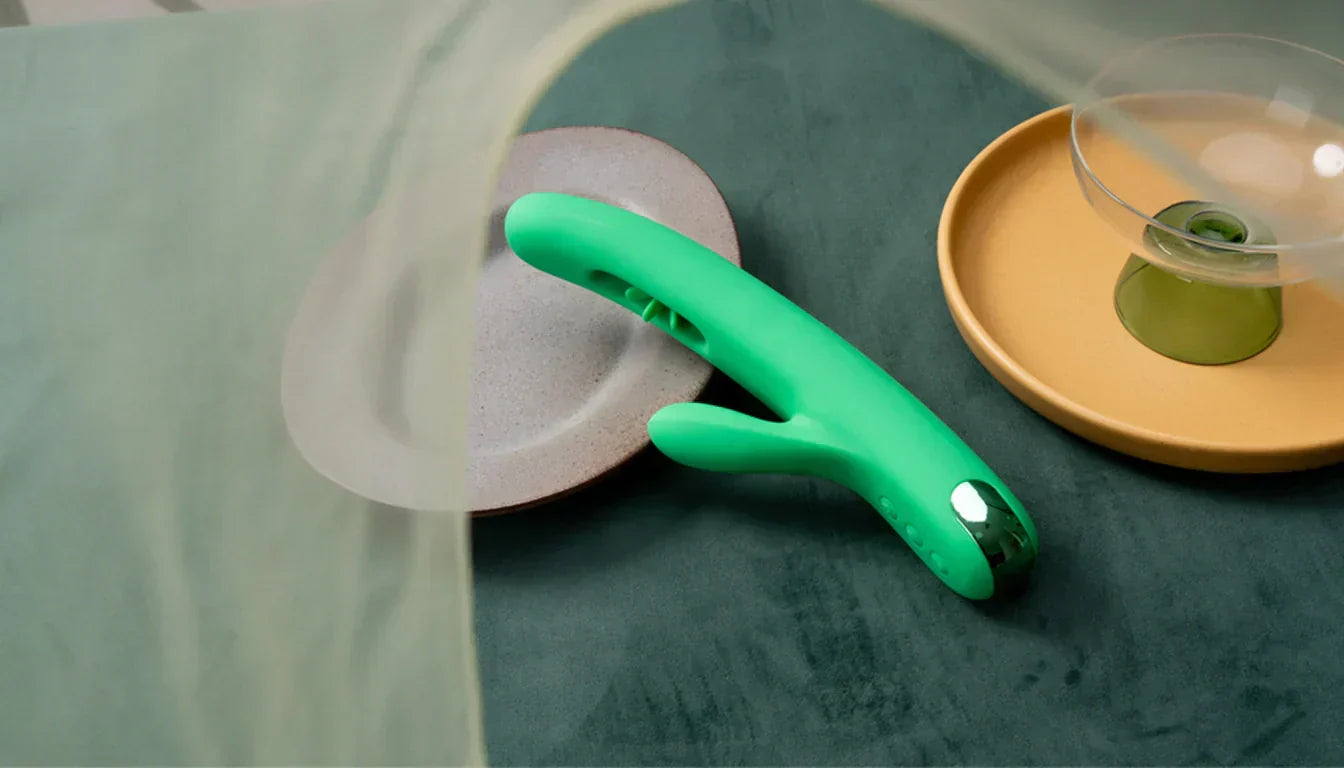
Consider a combination design if you want both adjustable vibration and a more directional type of motion. For example, the VINDANI Windmill™ spinning vibrator can be used as one example of how Windmill™ rotation and vibration-based sensations may work together in a single product.
The important point is not to choose based only on the biggest claim. Choose based on the kind of sensation you are trying to explore.
A Simple Buying Checklist
Before choosing between vibration and spinning motion, ask yourself:
- Am I looking for stronger intensity, or a different movement pattern?
- Do I prefer something familiar, or am I open to a new type of contact?
- Do I want one motion style, or a product that combines more than one?
- Does the product explain how the motion works, or does it only use broad claims?
These questions can make comparison easier, especially when product pages use similar language. If every toy says it is powerful, quiet, or innovative, the more useful detail is how the motion actually behaves.
FAQ
Is spinning better than vibration?
Not by default. Spinning and vibration create different types of sensation. The better choice depends on whether you prefer familiar intensity or a more directional kind of movement.
Does spinning motion replace vibration?
Not always. Some products focus on one type of motion, while others combine more than one. A combined design may give users more ways to compare and adjust the experience.
Is spinning motion beginner-friendly?
It can be, but it may feel unfamiliar at first. Starting with a gentler setting and adjusting gradually can make an unfamiliar motion easier to explore.
What is Windmill™ motion?
Windmill™ motion refers to VIVIFIE's rotating-motion concept. In this context, it is useful as an example of how spinning contact can be discussed separately from ordinary vibration.
Final Takeaway
Vibration tends to focus on intensity and pattern. Spinning adds a clearer sense of movement and direction. If vibration already gives you the feeling you want, there may be no need to treat spinning as a replacement. If you are curious about a sensation that moves differently, rotating motion may be worth comparing.
A useful next step is to think less about which feature sounds more powerful and more about which type of contact you actually want to feel.